Beer market trends in France to 2024: Between a return to basics and adaptation
Against an uncertain economic backdrop, the French brewing market is undergoing major changes as 2024 draws to a close. Between persistent inflation, successive crises and changing consumer behavior, craft breweries must adapt to survive. Let's take a closer look at the main trends shaping the French brewing landscape at the end of 2024.
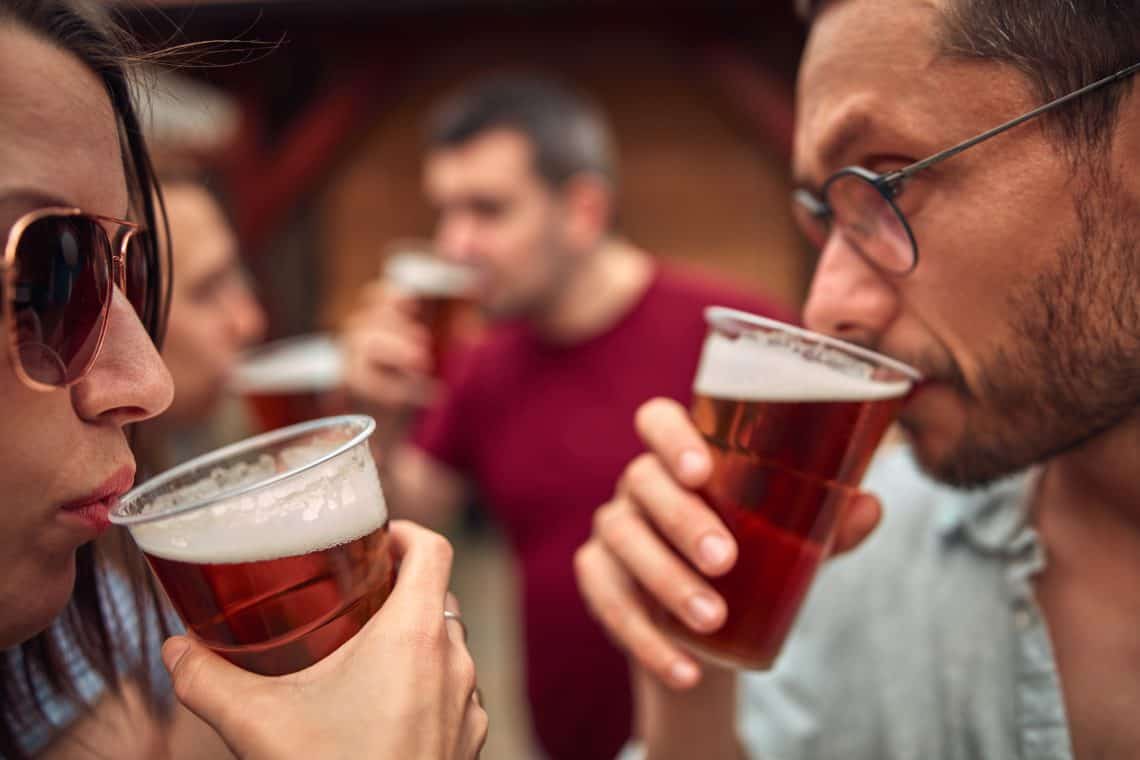
Back to basics for breweries
Optimization and profitability at the heart of strategies
Faced with economic challenges, many craft breweries are refocusing on their classic, profitable ranges. It's no longer the time to experiment in all directions, but rather to optimize processes and control costs. Resource-hungry ephemeral beers and limited editions are being put on hold in favor of tried-and-tested recipes.
The traditional blonde, a pillar of financial stability
Basic lager remains the flagship product that sustains most breweries. Easy to produce and popular with the general public, it ensures steady sales volumes and comfortable margins. Breweries are counting on its reliability to see them through uncertain times.
A stronger sales approach
More than ever, the sales force is becoming crucial. Breweries are investing in their sales teams to intensify canvassing, build customer loyalty and optimize distribution. Customer care and presence in the field take precedence over marketing campaigns, which are often more costly.

Would you like to delve deeper and access a detailed analysis of the trends that will shape the beer world in 2025?
Discover our complete report "Consumer Trends in Beer – 2025 Season (French version)", a treasure trove of insights and advice to help you stay ahead.

We're in a market, in a sector, where costs are high, and more and more craft breweries are putting marketing and communications on the back burner, or at least trying to internalize them.
Ludovic Mornand, Studio Blackthorns
Changing consumer tastes and expectations
NEIPA sets new craft standard
Despite the return to the classics, New England IPA (NEIPA) has taken a firm hold on the preferences of connoisseurs. Less bitter and fruitier than the traditional IPA, it has won over a wide audience and become a must-have on specialized (and non-specialized!) bar menus.
Looking for comfort and security
In an anxious climate, consumers are turning to beers that are reassuring and familiar. Traditional styles and well-established local breweries hold their own, offering a form of stability in the midst of uncertainty.
The rise of «better drinking»
The trend towards «drinking better» is growing, with increasing demand for low-alcohol and alcohol-free options. Breweries are diversifying their offerings with light beers, craft softs such as kombucha, and even cider to meet these new health expectations.
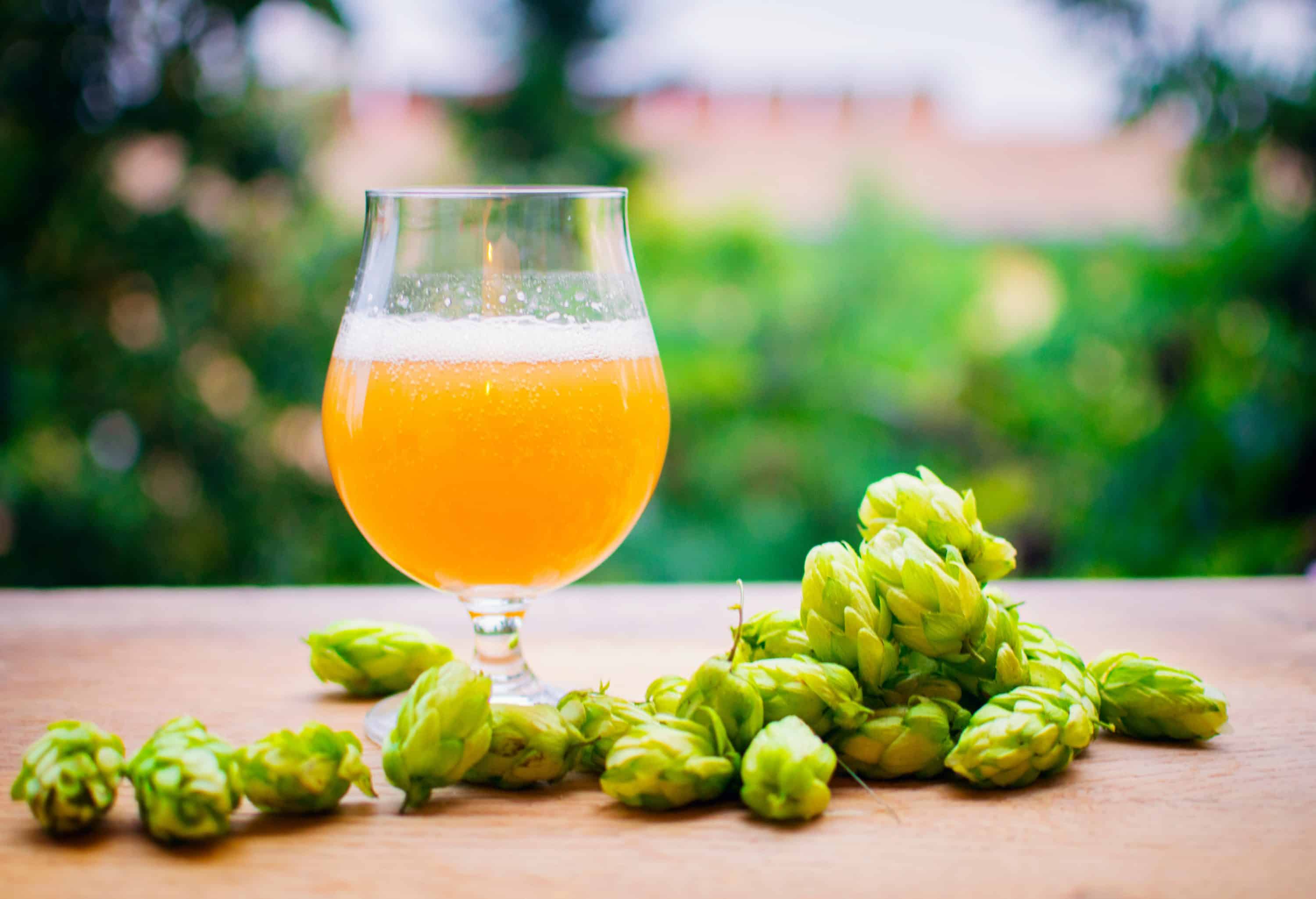
What keeps a brewery going is its basic lager, because in the end, it meets the demand of many people.
Dorothée Van Agt, Allegoria
Adaptation strategies for craft breweries
1. Local roots and short distribution channels
More than ever, local roots are becoming a major asset. Breweries rely on their local network of bars, restaurants and convenience stores to ensure stable outlets. Direct sales at the brewery, via a boutique or taproom, also help maximize margins.
2. Prudent supply diversification
To broaden their customer base without taking excessive risks, some breweries are adding complementary products to their range: craft softs, alcohol-free beers and low-alcohol beers. This diversification enables them to respond to different market segments while optimizing their production facilities.
3. Range rationalization
Faced with economic constraints, many breweries are rationalizing their catalogs by concentrating on a small but consistent permanent range. The aim is to ensure rapid stock rotation and simplify production management.
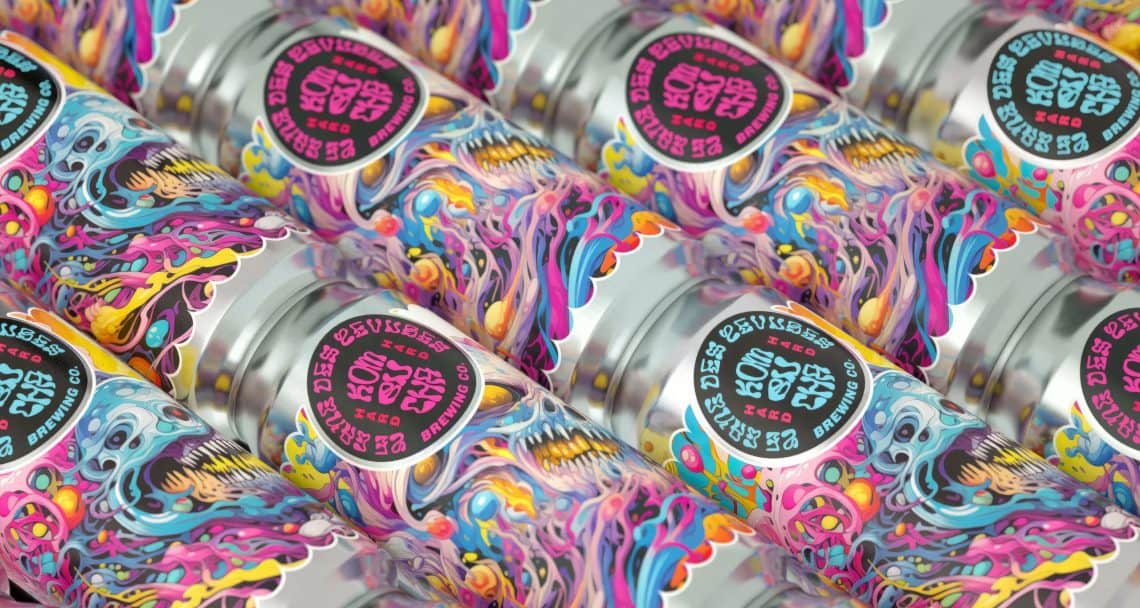
Challenges and opportunities for the craft brewing sector
A market that remains dynamic despite difficulties
Despite the difficult environment, the craft beer market remains buoyant. Demand for local, authentic products remains strong, offering opportunities to well-positioned breweries.
Rational innovation as a differentiating factor
In a market tending towards standardization, measured innovation can be a competitive advantage. Breweries like Horla stand out from the crowd with original positioning (focus on seasons and sour beers) while remaining accessible.
The growing importance of brand consistency
Beyond the product, the brand's overall coherence (values, local roots, social commitment) is becoming a key factor in differentiation and consumer loyalty.
Outlook for 2025 and beyond
Towards market consolidation?
The current period of uncertainty could accelerate consolidation in the sector, with breweries merging or being bought out by larger players.
The challenge of ecological transition
Environmental issues will continue to shape the market, driving breweries to innovate in their production processes and packaging to reduce their carbon footprint.
Preparing for the recovery
Despite the current difficulties, breweries must remain alert and ready to seize opportunities when the situation improves. Maintaining a capacity for innovation and adaptation will be crucial to bounce back quickly.
In conclusion, the French brewing market is going through a period of transition that is forcing players to refocus on their fundamentals, while remaining attentive to changing consumer expectations. Breweries that are able to combine rigorous management, strong local roots and measured adaptability will be best equipped to weather this period of uncertainty and position themselves favorably for the future.
FAQ
Key trends include a return to fundamentals for breweries, with a focus on profitable classic beers. NEIPA has established itself as the new craft standard, while consumers are looking for safe values and healthier options. Local roots and careful diversification of the offer are also key strategies adopted by craft breweries.
Craft breweries are adapting by optimizing production and concentrating on their most profitable ranges. They are strengthening their sales teams to intensify canvassing and build customer loyalty. Many are banking on local roots and short distribution channels, while cautiously diversifying their offer with products such as alcohol-free beers and craft softs.
The economic crisis has prompted consumers to turn to safe, reassuring beers. There is growing demand for low-alcohol and alcohol-free options, reflecting a trend towards «drinking better». Local beers and traditional styles are also favored, offering a form of stability in an uncertain context.
Key challenges include managing costs in an inflationary environment, adapting to changes in consumer behavior, and the need to differentiate in an increasingly competitive market. Breweries must also face up to the challenges of the ecological transition and anticipate possible market consolidation.
The outlook includes a probable consolidation of the market, with breweries merging or being bought out by larger players. Environmental issues will continue to shape the sector, driving innovation in production processes and packaging. Breweries will need to remain nimble and ready to seize opportunities when times improve, while maintaining their capacity for innovation and adaptation.
Related articles
- 5 steps to maximize the impact of beer competitions

- How to judge a beer at a competition: behind the scenes and the truth about medals

- Beer market trends in CHR 2024
- Brewing news: between fiscal challenges, alcohol-free and sustainable innovations
- The secrets of mascots to boost your brand identity

- New European regulations raise questions about pesticides in hops