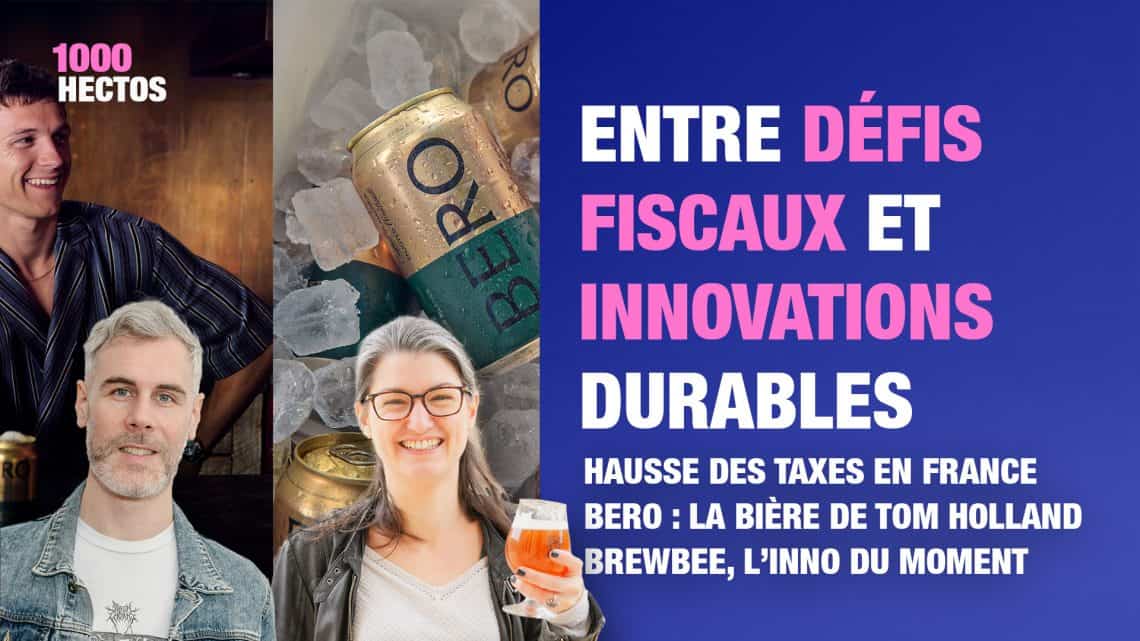
Brewing news: between fiscal challenges, alcohol-free and sustainable innovations
Is the beer industry facing new taxes?
The French brewing sector is currently going through a difficult period with the announcement of a potential tax increase. This measure, included in the government's draft budget, would particularly target beers containing more than 5.5% of alcohol, via an increase in excise duty.
The impact on craft breweries looks set to be significant. Some analyses show that an increase of around 20 centimes per can at production level would translate into an increase of 50 to 80 centimes for the end consumer, depending on the distribution channel. This mechanical inflation is likely to particularly affect specialty beers such as Imperial Stouts and Triple beers, which are already positioned in premium segments.

Would you like to delve deeper and access a detailed analysis of the trends that will shape the beer world in 2025?
Discover our complete report "Consumer Trends in Beer – 2025 Season (French version)", a treasure trove of insights and advice to help you stay ahead.

Alcohol-free goes premium with Bero
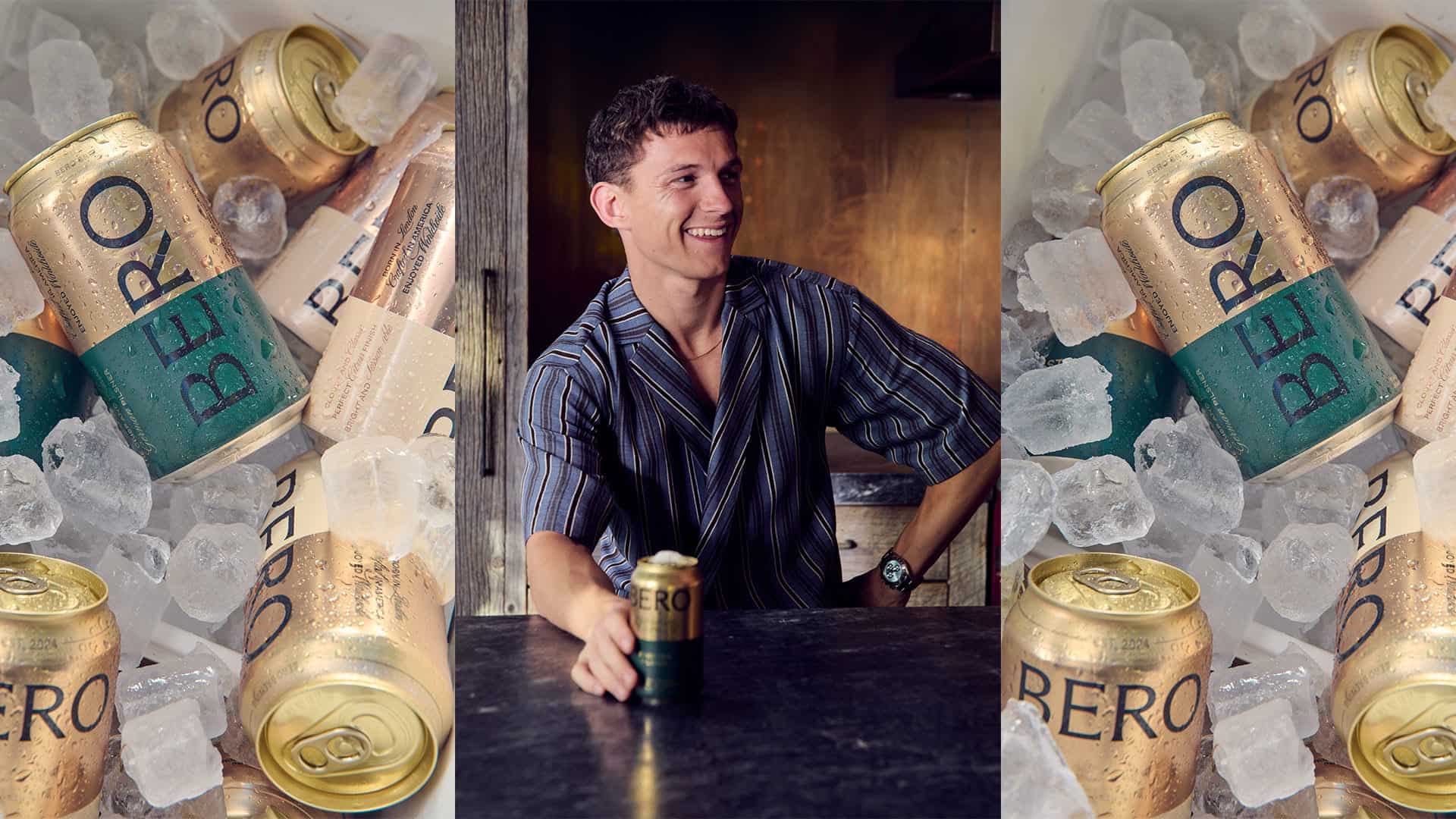
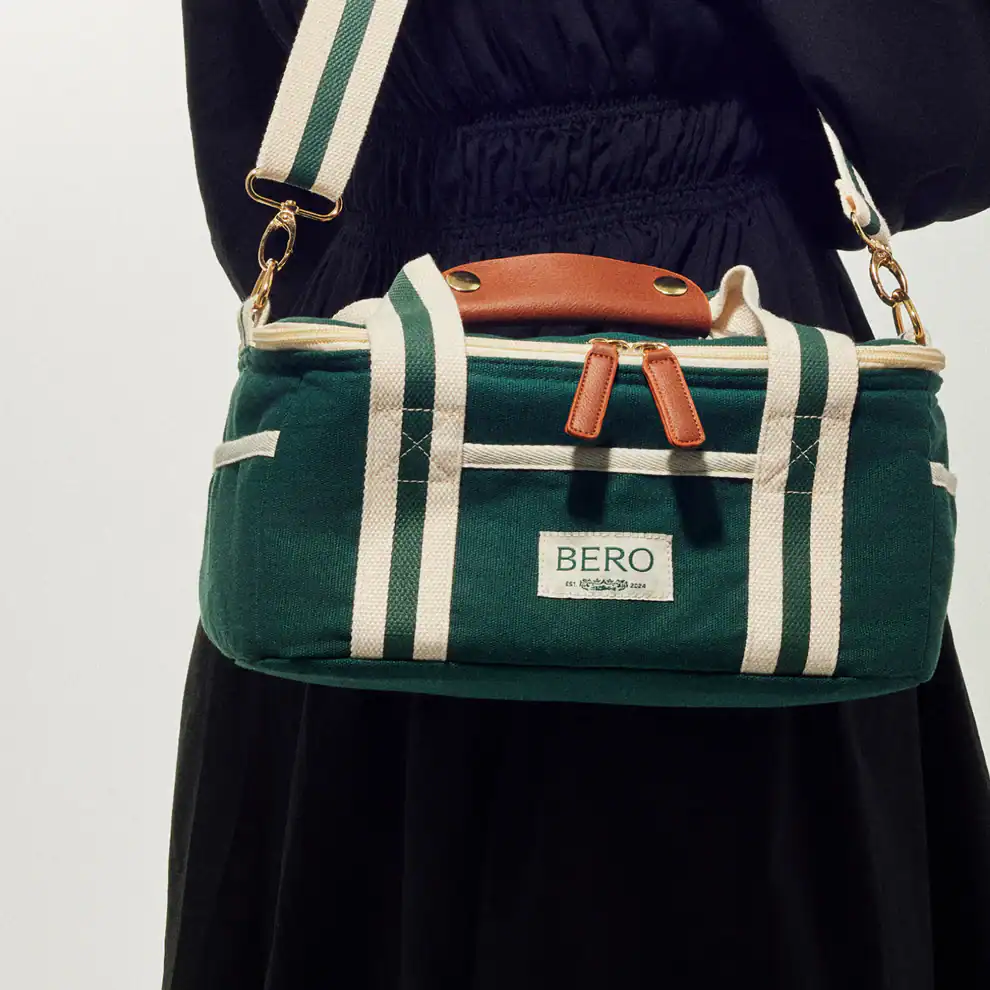
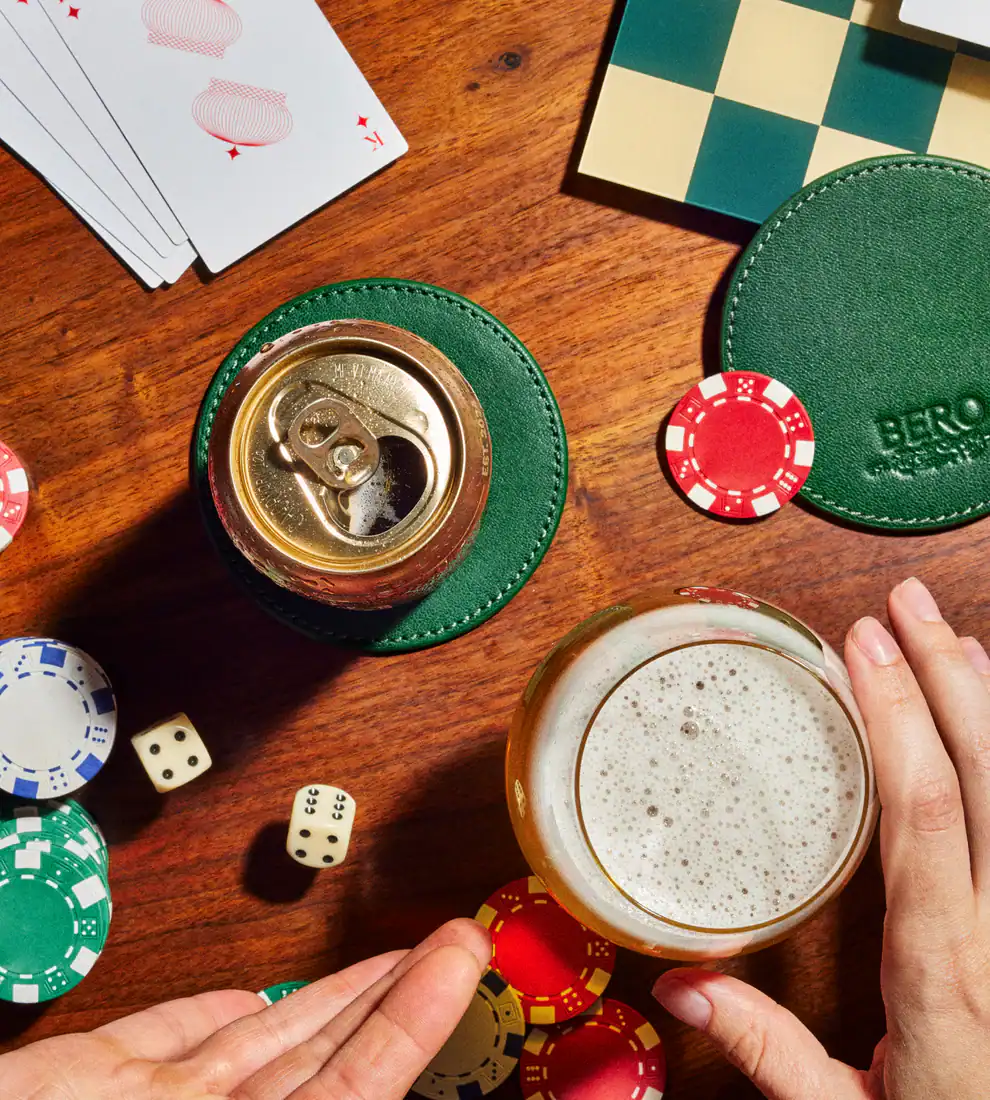
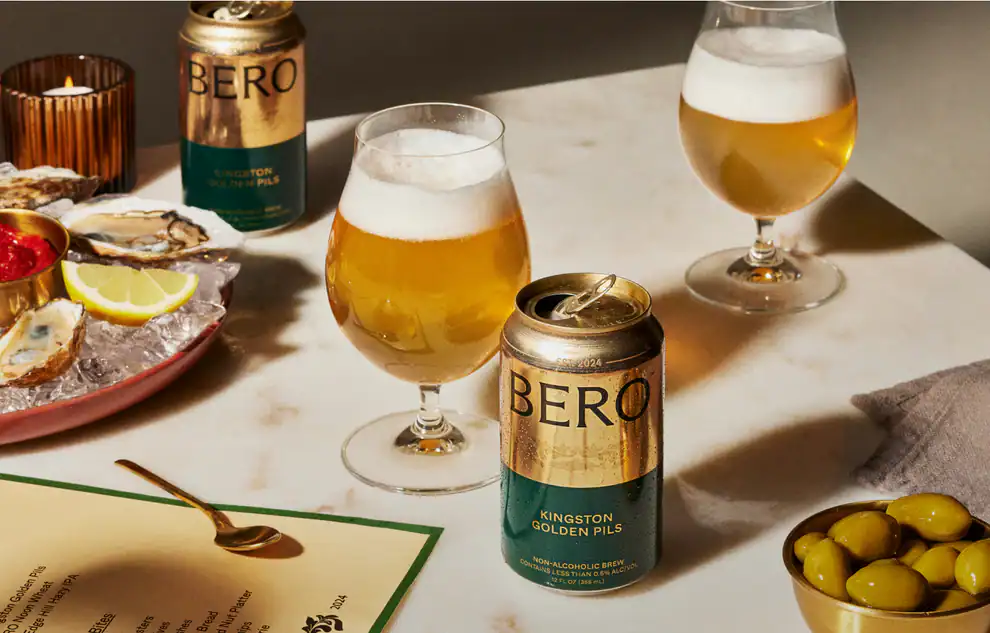
Against this complex backdrop, the alcohol-free market continues to expand, with the remarkable arrival of Bero, a new premium brand from Tom Holland. This initiative is a perfect illustration of the sector's new positioning strategies.
The project is distinguished by a particularly sharp marketing approach:
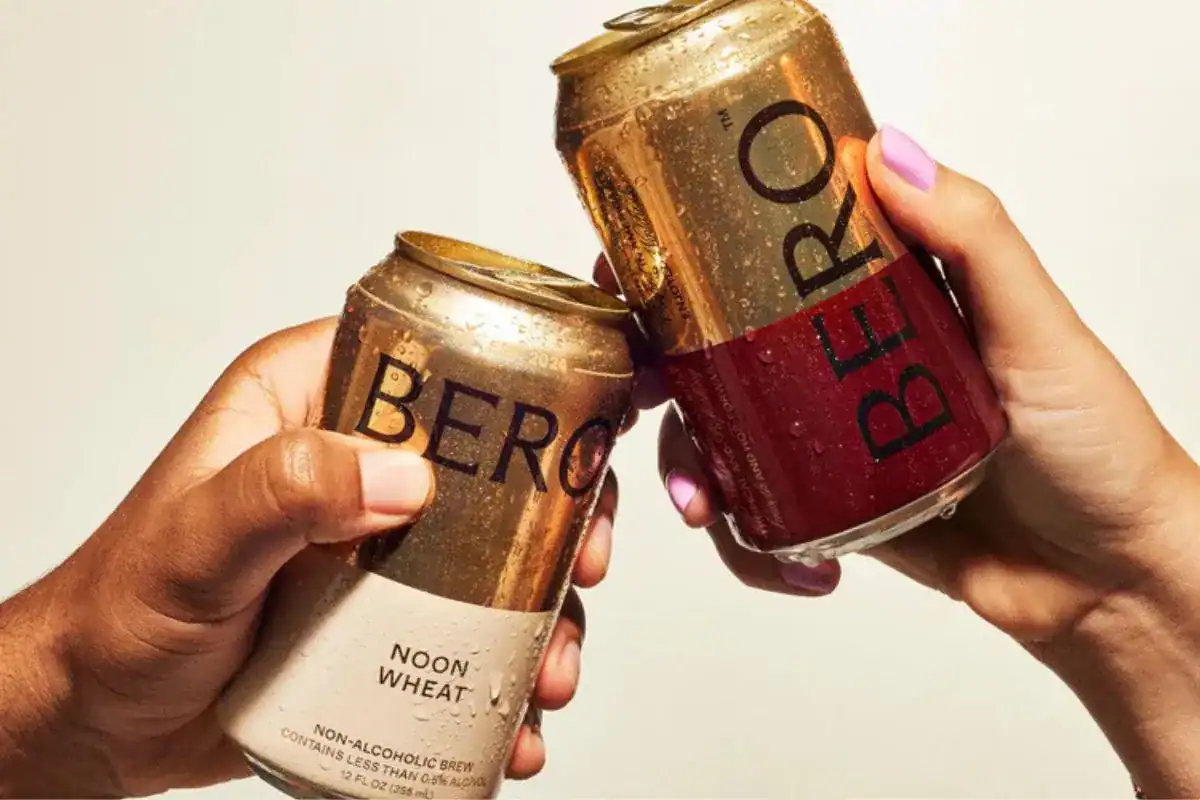
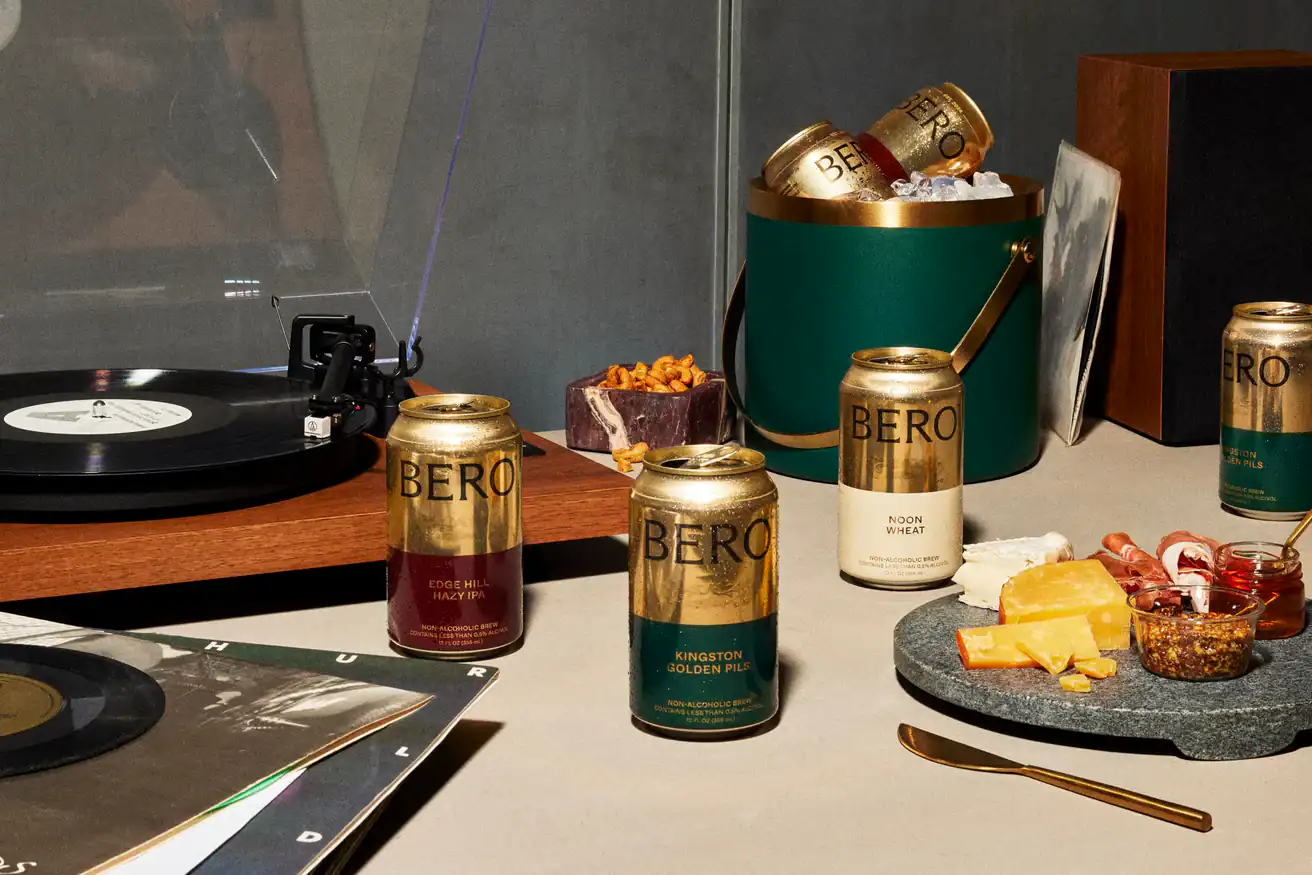
- A narrower range based on three strategic references (Pilsner, Blanche, Hazy IPA)
- A high-end lifestyle positioning combined with tennis and premium leisure activities
- A community strategy with subscriptions and exclusive content
- A refined design playing on the codes of luxury
This approach reflects a major change: alcohol-free is no longer seen as a default alternative, but as a lifestyle choice that has been taken on board.

The circular economy reinvents brewing by-products
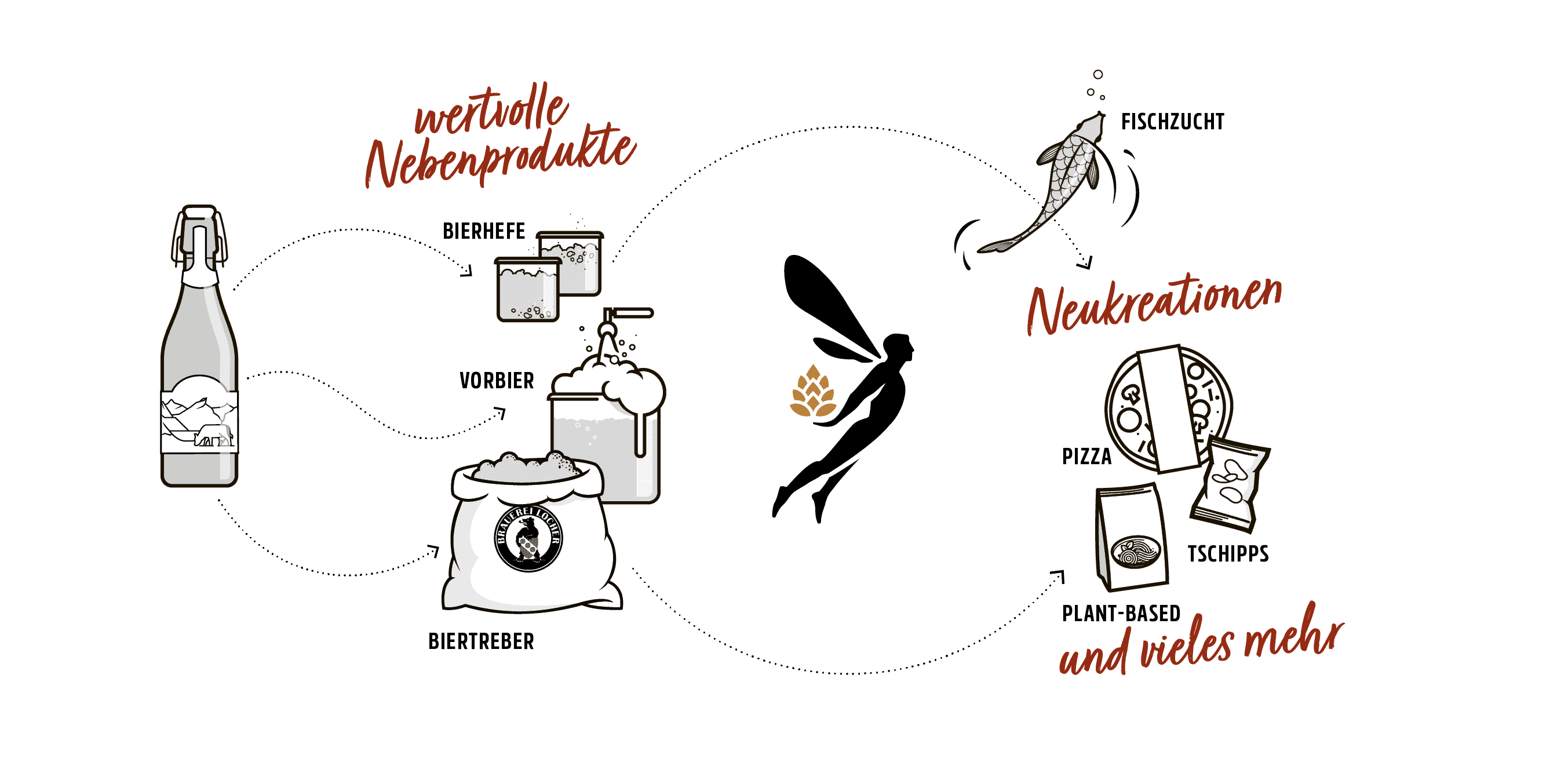
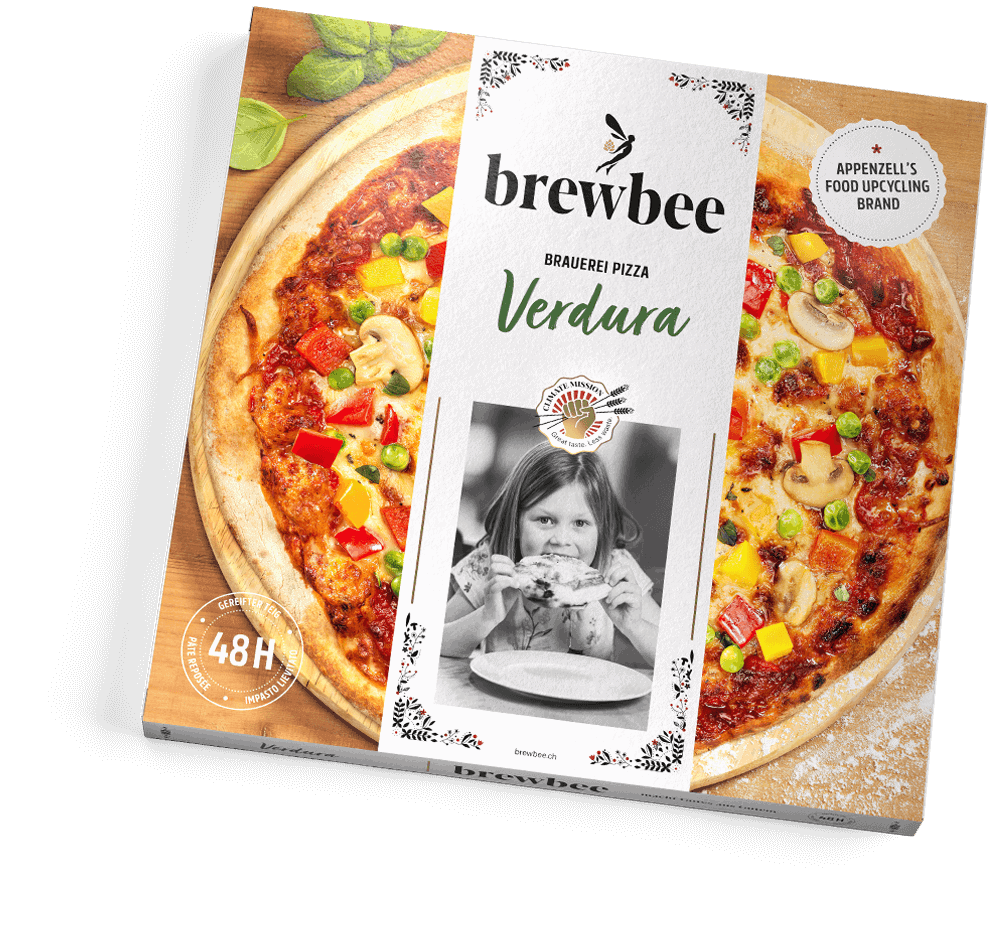
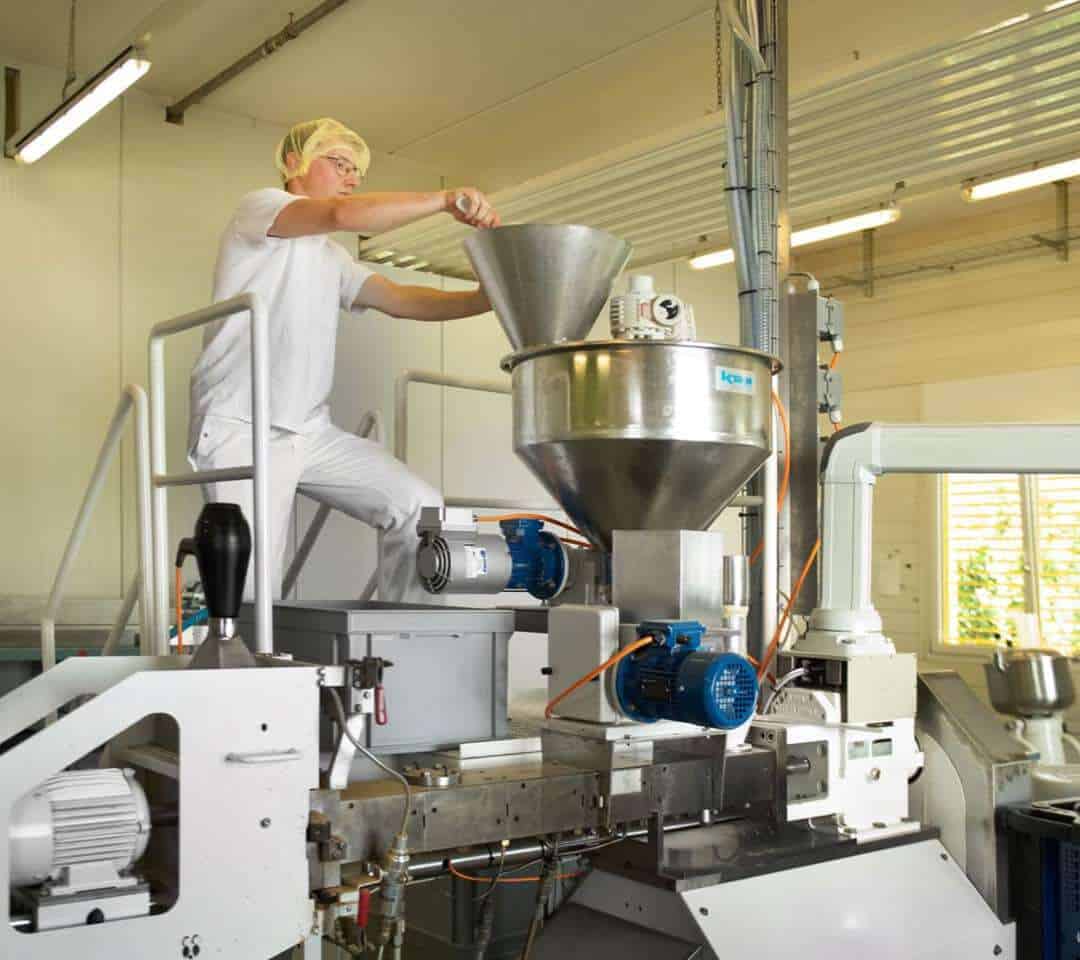
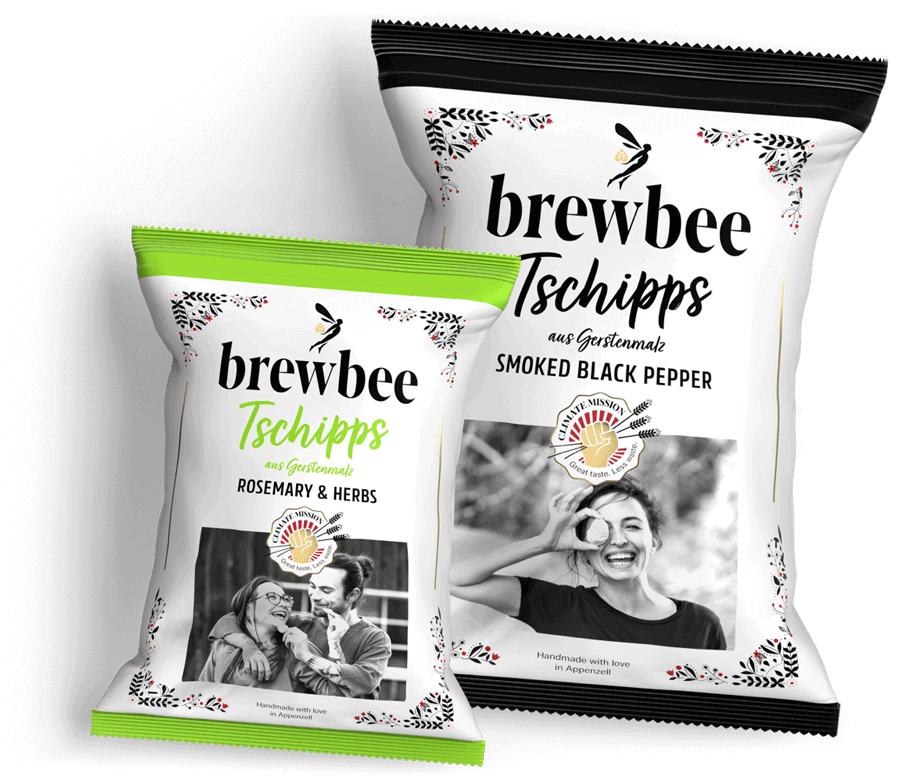
Perhaps the most striking innovation comes from Switzerland, where the Locher brewery is developing, via its Brewbee, a complete range of food products made from spent grains. This approach is revolutionizing the use of this brewing by-product, traditionally destined for animal feed.
Processing spent grain into protein flour opens up considerable new prospects. With a processing capacity of 25,000 tonnes of spent grain, enabling the production of 5,000 to 6,000 tonnes of protein powder, this innovation meets the challenges of sustainability while creating new business opportunities.

Brewing industry outlook
These three news items sketch the contours of an industry in the throes of change. Fiscal pressures are driving a rethink of business models, while innovation, whether marketing or technical, is opening up new prospects.
For craft breweries, these changes mean :
- Diversify their sources of income
- Rethink their price positioning
- Explore alcohol-free opportunities
- Optimize the value of their co-products
The brewery of tomorrow will probably be less a simple production site than an integrated ecosystem, combining production, on-site consumption and circular resource recovery.
FAQ
According to our calculations, raising taxes on beers over 5.5% could result in an increase of around 20 centimes per can at production level. For the end consumer, this would translate into an increase of 50 to 80 centimes, depending on the distribution channel. This increase could particularly affect craft and specialty beers.
Bero is a premium alcohol-free beer brand launched by actor Tom Holland. Its distinctive feature is its high-end lifestyle positioning, associated with tennis and premium leisure activities. The brand offers a range of three references (Pilsner, Blanche, Hazy IPA) and is developing a strong community strategy with subscriptions and exclusive content.
Brewbee transforms spent grains into protein flour used to create a variety of food products such as chips, pizzas and muesli. Their plant can process up to 25,000 tonnes of spent grains a year into 5,000-6,000 tonnes of pure protein powder, offering a sustainable solution for the valorization of brewing co-products.
Craft breweries will have to diversify their activities, in particular by developing on-site consumption and optimizing their short circuits. The future lies in an integrated ecosystem model combining production, tasting and co-product development.
The non-alcoholic market, while still representing a tiny share of the total market, is showing strong growth. Marketing and product innovations, such as Bero, reflect a move towards premium positioning that should continue to stimulate this segment.
Did you enjoy this episode of 1000 Hectos? Give it a try...
- 5 steps to maximize the impact of beer competitions
- How to judge a beer at a competition: behind the scenes and the truth about medals

- Beer Market Trends in the horeca sector (hotels, restaurants, catering)
- Brewing news: between fiscal challenges, alcohol-free and sustainable innovations
- The secrets of mascots to boost your brand identity
- New European regulations raise questions about pesticides in hops