
Wine branding and packaging agency: winning back consumers who are walking away from the aisle
Studio Blackthorns works with vineyards, wineries, and wine brands on brand identity, label design, product line architecture, and next-generation formats. We believe that the crisis in wine consumption is first and foremost a crisis of communication, and that design is one of the keys to resolving it.
- Today, wine has a problem...
- Why a specialized beverage agency for your wine
- The Blackthorns Approach: Who is your label speaking to?
- The next generation of wine: our playground
- What we deliver (and at what price)
- Let's talk about your wine
- Our other beverage expertise
- Frequently asked questions about our agency
Today, wine has a problem...
Wine consumption is declining in France, generation after generation. Faced with craft beers that boast color and creativity, RTDs that emphasize simplicity, and premium soft drinks that promote well-being, a large part of the wine aisle continues to talk about châteaux, medals, and vineyards to consumers who have never learned this language. The result is visible in sales figures: younger generations aren't rejecting the taste of wine, but they are giving up in front of an unreadable and intimidating aisle.
The good news is: it's (just) a branding problem, and therefore our profession! The challenge for wine today is to make itself understandable and desirable to new audiences without devaluing what makes it valuable: origin, know-how, depth. In short: demystify WITHOUT devaluing.
Why a specialized beverage agency for your wine
In «wine graphic design,» we generally see two extremes: traditional creative studios that reproduce the industry's codes (elegant but interchangeable, invisible to new consumers) and generalist graphic designers who break the codes without understanding them (original, but unreadable to the amateur and clumsy in the face of regulations). Our position: to know the codes deeply enough to know which ones to keep, which ones to twist, and which ones to break, according to your target audience and your distribution channel.
We add to this what wine shares with the rest of the beverages we consume daily: the battle for shelf space in supermarkets (where the bulk of volumes are sold), regulations (labeling, AOP/IGP, Loi Évin, and the new European requirements for ingredient and nutrition labeling), emerging formats (canned wine, premium bag-in-box, low alcohol content), and distribution channels (wine shops, HRI, supermarkets, export, D2C). We detail all these codes, counter-codes, and mandatory mentions in our comprehensive wine label guide.
The Blackthorns Approach: Who Does Your Label Speak To?
Every wine project starts with a question the industry rarely asks: who should choose your bottle, and in what context? The enthusiast in a wine shop, a weeknight meal from a supermarket, a bistro's wine list, or export? Each answer calls for a different hierarchy between the estate, the cuvée, the grape varietal, the appellation, and the promise of taste. Ours Brand Exorcism This diagnosis is made, then the design is validated by our 5 impact tests (including the 3-meter test and the perceived price test, which are particularly revealing in the wine aisle, where the gap between perceived price and actual price can destroy or create entire margins). The method is detailed in our article on impact packaging.
The next generation of wine: our playground
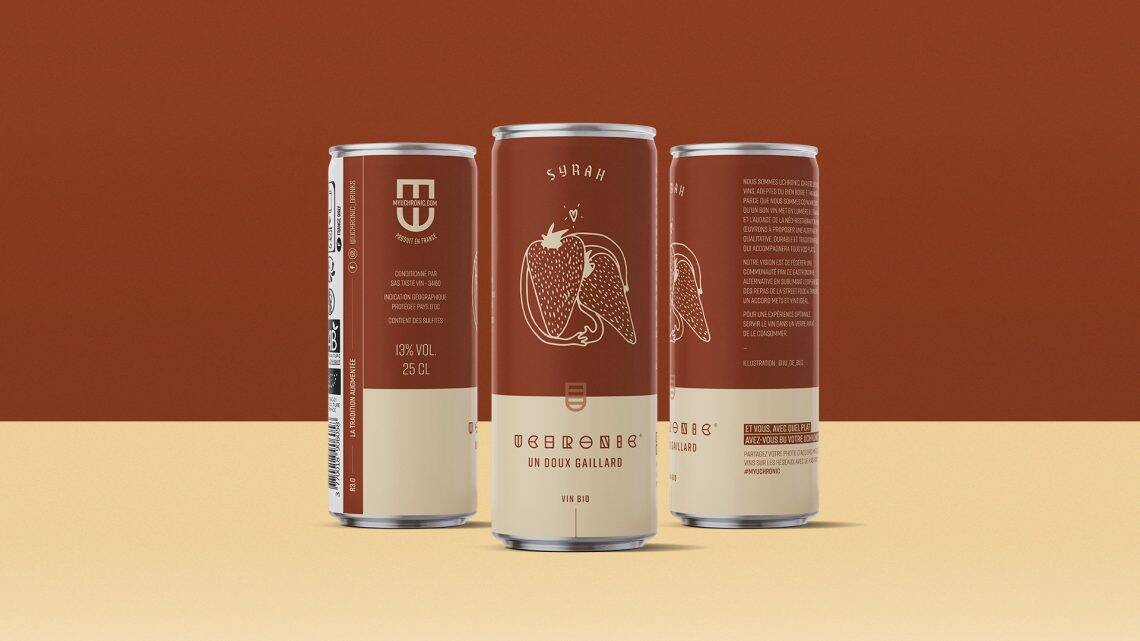
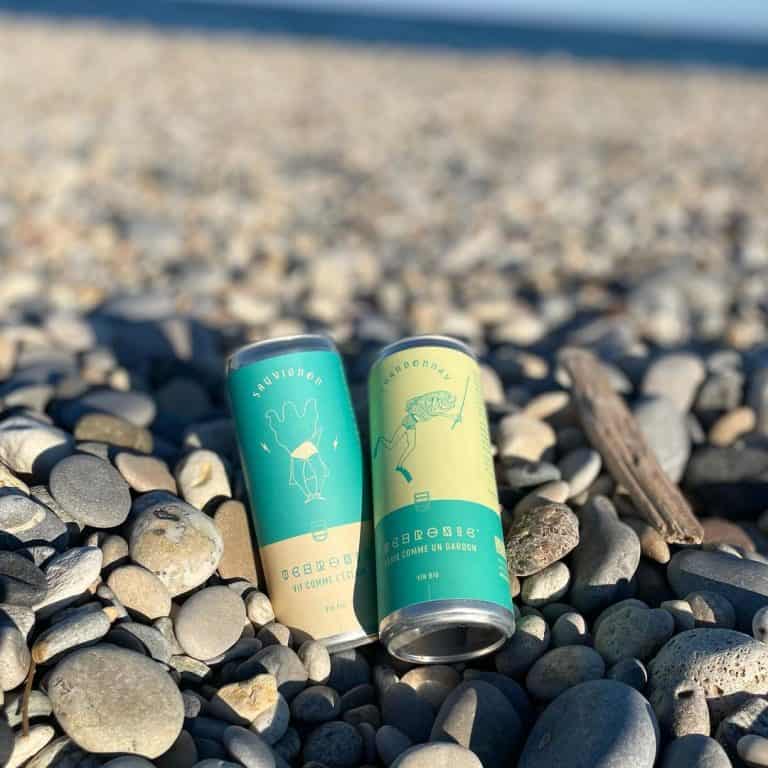
We explored new wine territories long before they became trends: the creation and positioning of a canned wine brand (a case study documented on our blog), the brand Uchronic who is reinventing the codes, the can format studied from all angles during the 366 Cans Challenge. These experiences reinforce a belief: new formats succeed when they are treated as brands in their own right, with their own distinct characteristics, rather than as inferior versions of the bottle.
For established estates and houses, this culture of new formats is an asset for anticipation: your next decade will likely include a lower-alcohol offering, a portable format, or a cuvée designed for new generations. So it's best to prepare’brand architecture that will host them: we explain this method in detail in our A Comprehensive Guide to Creating a Wine Brand designed for these new audiences.
What we deliver (and at what price)
Creation or redesign of a domain or brand identity, naming of vintages, label design and product line architecture (from entry-level wines to single-vineyard vintages), complete packaging (capsules, boxes, gift boxes), variations by distribution channel, and production files with print oversight. Complete brand identity starting at €15,000; product line architectures and repositioning between €25,000 and €50,000. For wineries that first wish to clarify their strategy, our coaching packages offer a low-commitment starting point.
Let's talk about your wine
Redesigning an unappealing product line, creating a brand for a new audience, launching an innovative format, or positioning a brand in a higher-end segment: Tell us about your situation, and we’ll respond within 48 hours with a candid, outside perspective on your product category. → Let's talk!
Our other beverage expertise
Wine is just one of the families we support; the studio also designs the identity and brand packaging from beer, by spirits and non-alcoholic beverages, using the same approach: positioning first, design second.
Frequently asked questions about our agency
Do you have any other questions? Let's talk about your project